Engaging Lessons That Make Programming Fun and Accessible
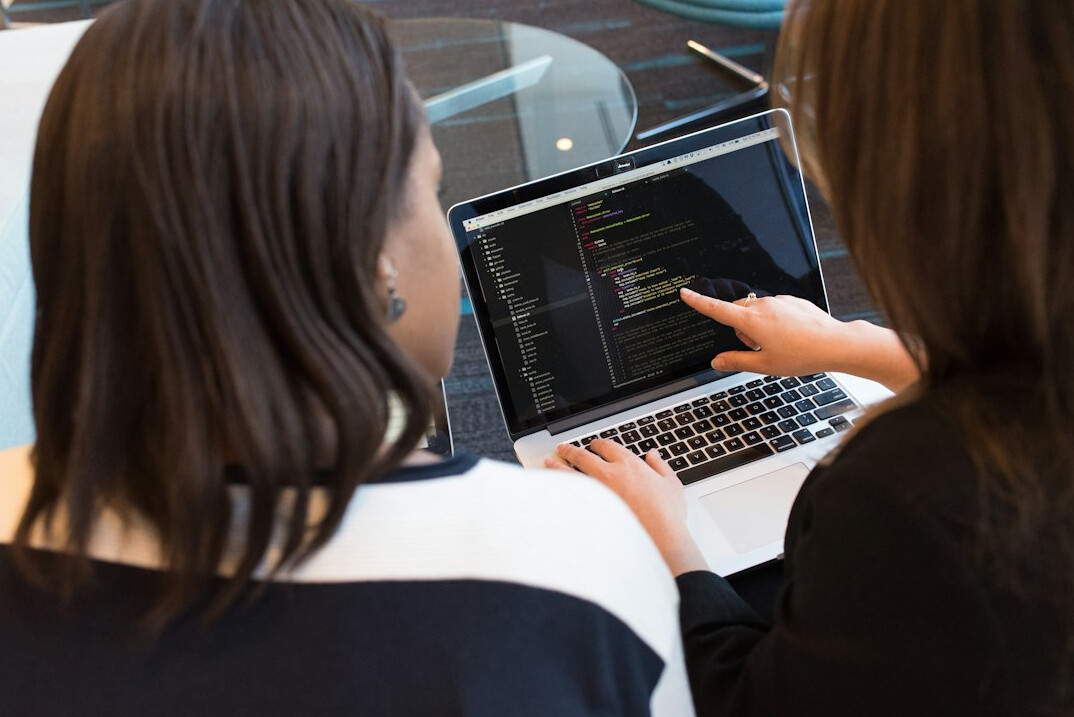
Programming often gets a reputation for being dry or intimidating, but it does not have to stay that way. At coderyxply we focus on turning every session into something students actually look forward to. The goal is simple: make coding feel like a natural extension of everyday curiosity rather than a chore.
Starting with Real Stories Instead of Syntax
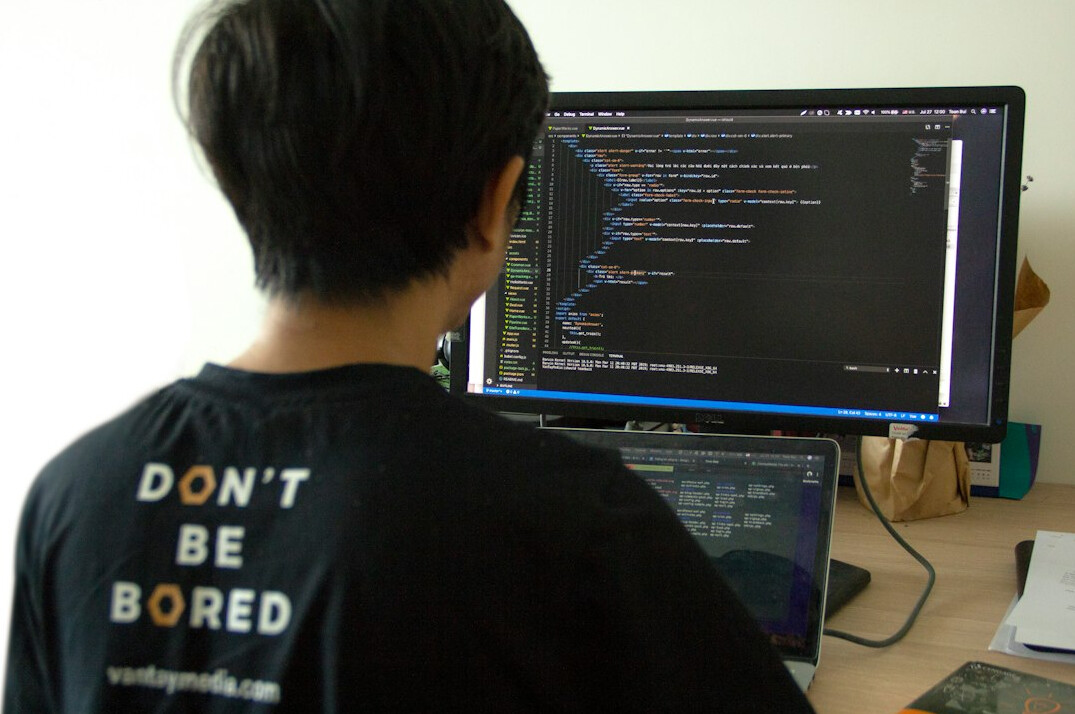
Most beginners freeze when they see their first line of code. That is why our instructors begin with stories. A simple game where a character moves across the screen becomes the hook. Students decide what the character does next, and only then do we introduce the commands that make it happen. This approach keeps the focus on ideas first and rules second.
Building Confidence Through Small Wins
Every lesson ends with a working piece of code, no matter how small. One week it might be a button that changes color. The next week it could be a short animation. These quick results help learners see progress right away. Over time the projects grow, yet the sense of achievement stays consistent.
- Visual feedback that shows results instantly
- Peer reviews that celebrate creative choices
- Optional challenges for those who want more
We also keep groups small so everyone gets personal attention. Questions are welcomed at any moment, and no one feels left behind when the pace shifts.

Using Games and Creative Projects
Games remain one of the strongest motivators. Instead of abstract exercises we build simple versions of classics like pong or memory matching. Students choose colors, add sounds, and tweak rules. The same logic applies to storytelling apps or interactive quizzes. By the end of the course many learners have something they can show friends and family.
Seeing my first game run on a real phone was the moment everything clicked for me. It suddenly felt useful rather than just theoretical.
Creative freedom also means mistakes are part of the process. When something breaks, the class pauses to figure out why together. Debugging turns into a shared puzzle instead of a source of stress.
Flexible Pacing for Every Background
Some students arrive with zero experience while others have tried tutorials on their own. Our materials adapt automatically. Extra explanations appear for those who need them, and advanced tracks open up once the basics feel solid. This way no one waits or rushes.
Connecting Code to Everyday Life
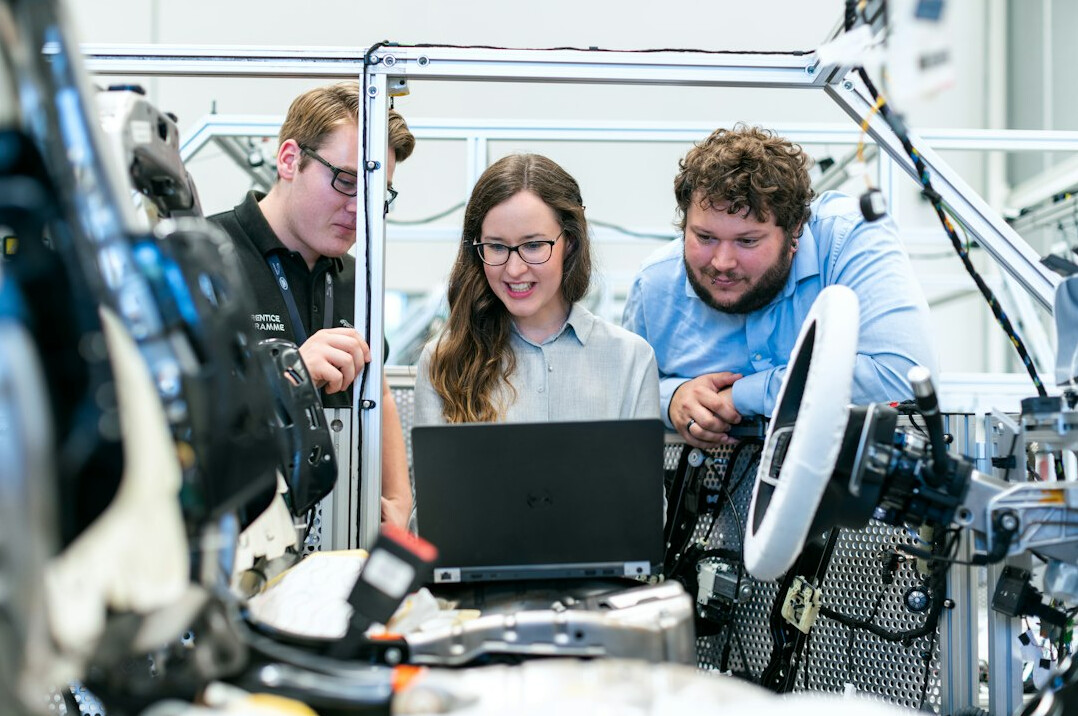
Programming becomes more meaningful when it solves real problems. One group built a simple tool that tracks study habits. Another created a website that helps organize local volunteer events. These projects show that code is a tool for making things better, not just an academic exercise.
Throughout the course we invite past students to share how they use their skills now. Hearing from people only a few months ahead makes the journey feel reachable. It also highlights different career paths, from game design to data work.
By the final week everyone leaves with a portfolio piece and the confidence to keep exploring on their own. The skills stick because they were learned through enjoyment rather than pressure. That is the coderyxply difference: lessons that feel alive from the first click to the last line of code.